
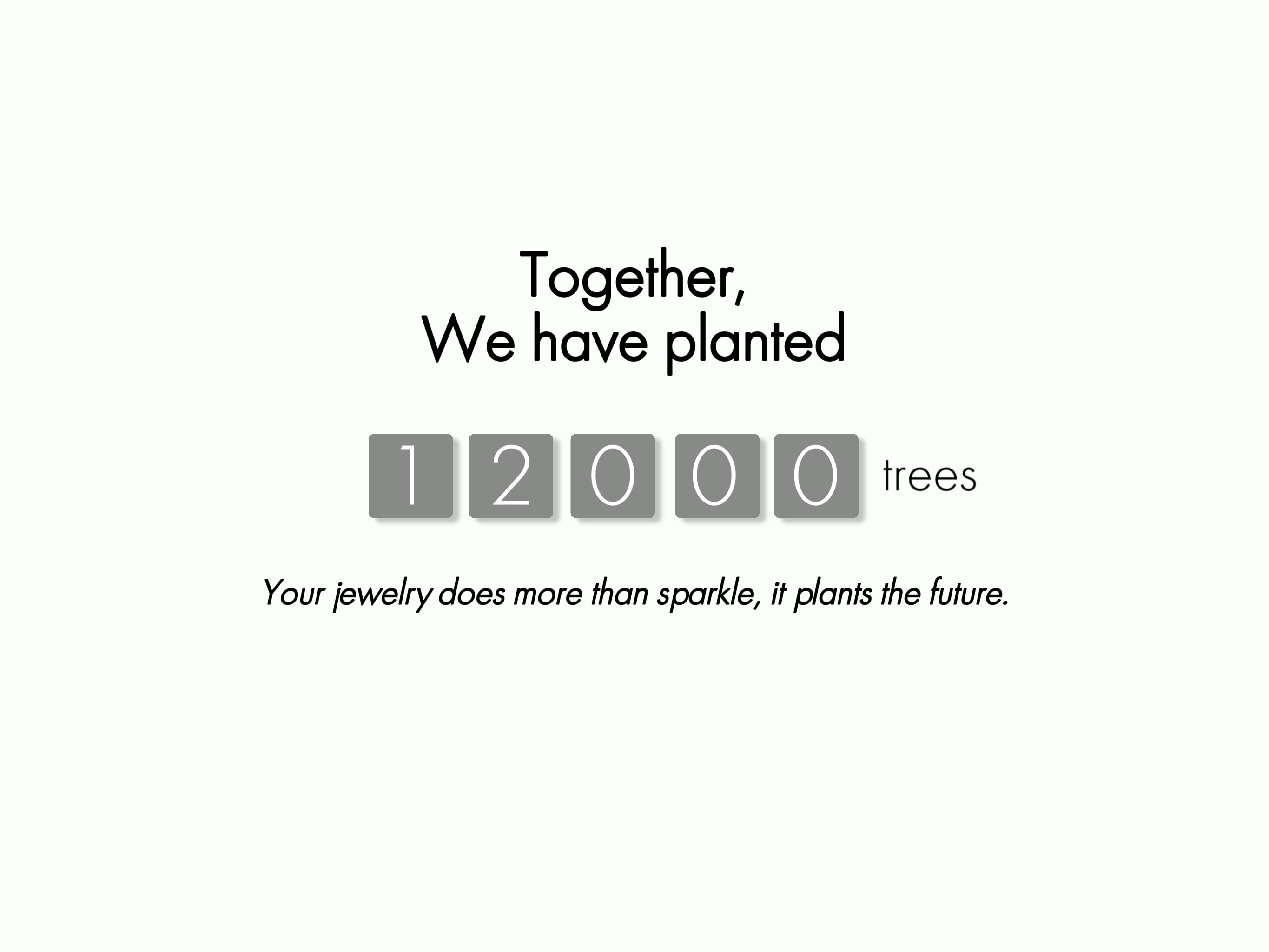
With every order, we plant a tree with our impact partner, Trees for the Future (TREES).
We are changing lives through reforestation and regenerative farming in sub-Saharan Africa.


Gemstone mining is not simple excavation—it often brings appalling ecological destruction. According to a report by Engadget, mining one carat of natural gemstone destroys nearly 100 square feet of land, generates 5,790 pounds of mineral waste, and emits up to one ton of carbon dioxide. Natural gemstone mining consumes 126 gallons of water per carat, while lab-grown production requires only 18 gallons—an 85% improvement in water efficiency, which is especially critical for water‑scarce regions.
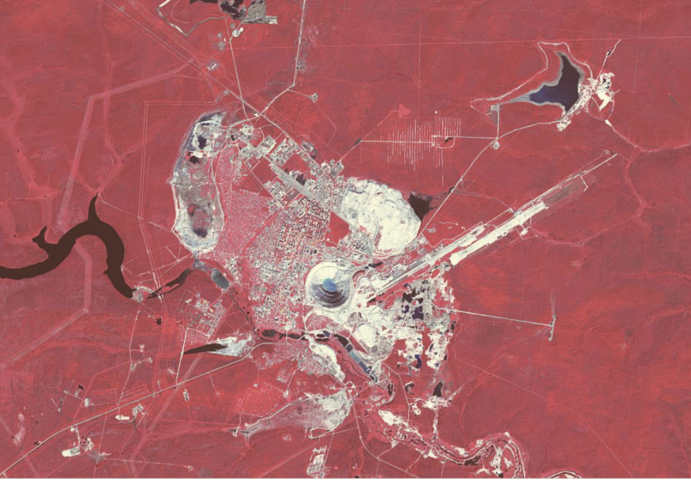
Visible from the International Space Station, the Mir open‑pit mine in Siberia is one of the world’s largest diamond mines. It is over 1,722 feet deep, 3,900 feet in diameter, and has produced more than 200 million carats of diamonds.

Globally, 65% of diamonds come from Africa, and up to 90% of colored gemstones come from "Global South" countries—developing nations in Africa, Asia, and Latin America. These numbers support a jewelry industry worth hundreds of billions of dollars.
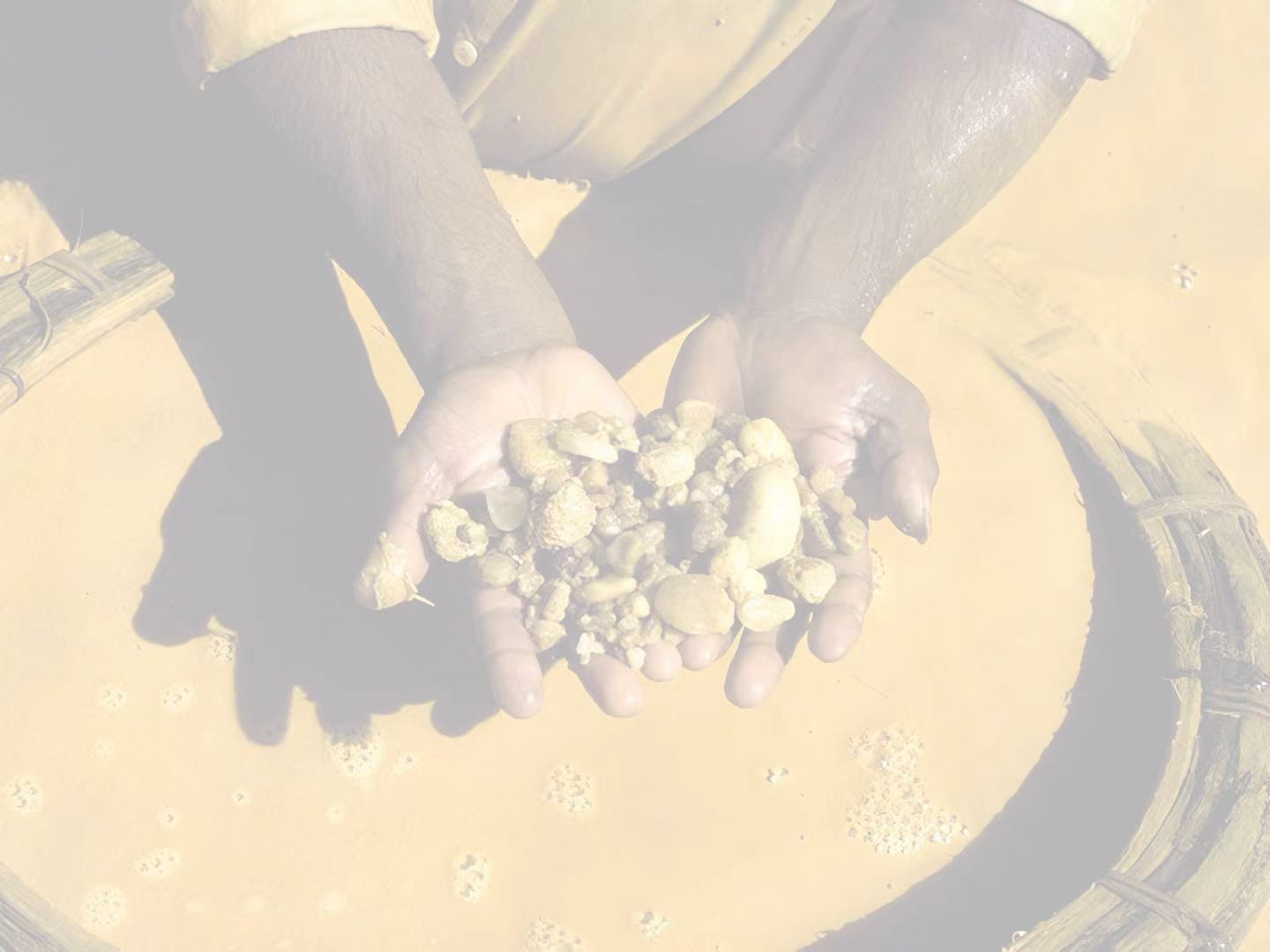
Artisanal mines commonly employ children and teenagers at extremely low wages in dangerous conditions.
A child earning $3 a day, waist-deep in water washing diamonds, is not called child abuse but “artisanal mining.” Thus it becomes not “child labor” or “exploitation” but “a means of livelihood in poor regions.” Such language sanitizes cruelty and legitimizes illegality.
As global demand for luxury jewelry grows, these practices persist and even intensify.
With every order, we plant a tree with our impact partner, Trees for the Future (TREES).
We are changing lives through reforestation and regenerative farming in sub-Saharan Africa.
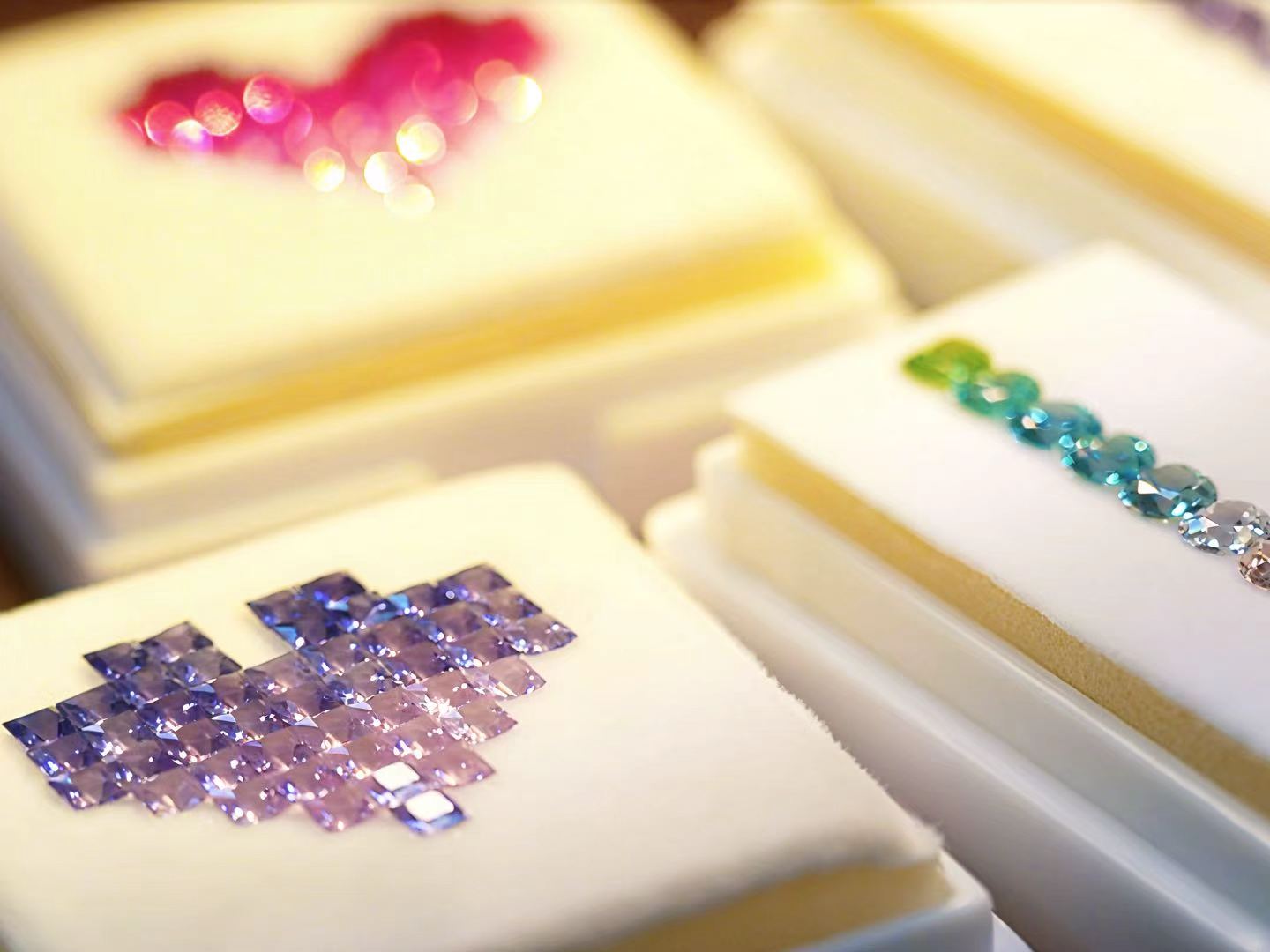
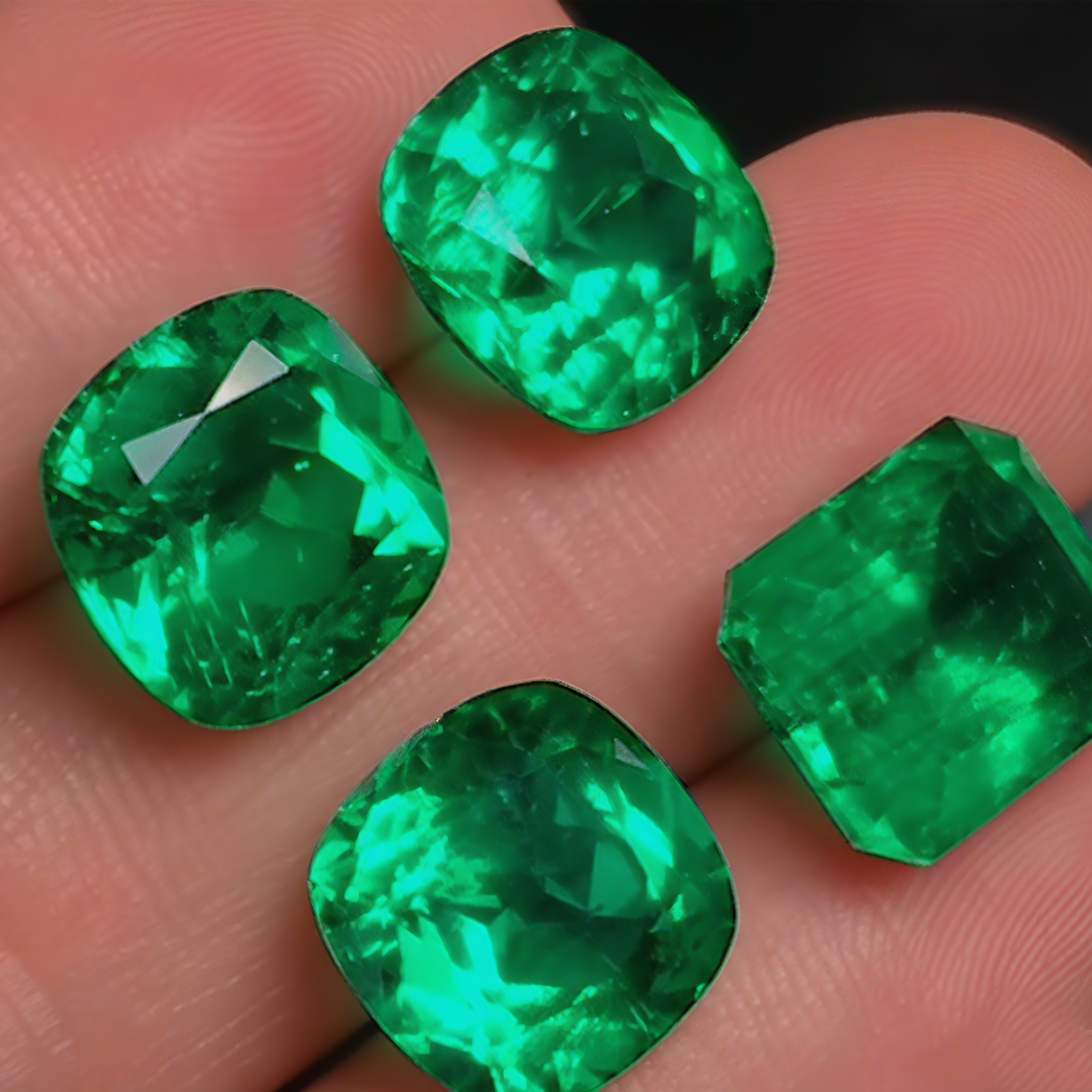
Diamonds are carbon, sapphires are corundum (aluminum oxide), and rubies are aluminum oxide with chromium traces. These compositions point to lab synthesis. Driven by demand and technology, labs now produce high-quality rough gems.
By simulating natural geological conditions, they grow gems in controlled environments—achieving in 10 weeks what nature took billions of years. Lab-grown gems cause little to no land disruption, greatly reducing ecological impact.
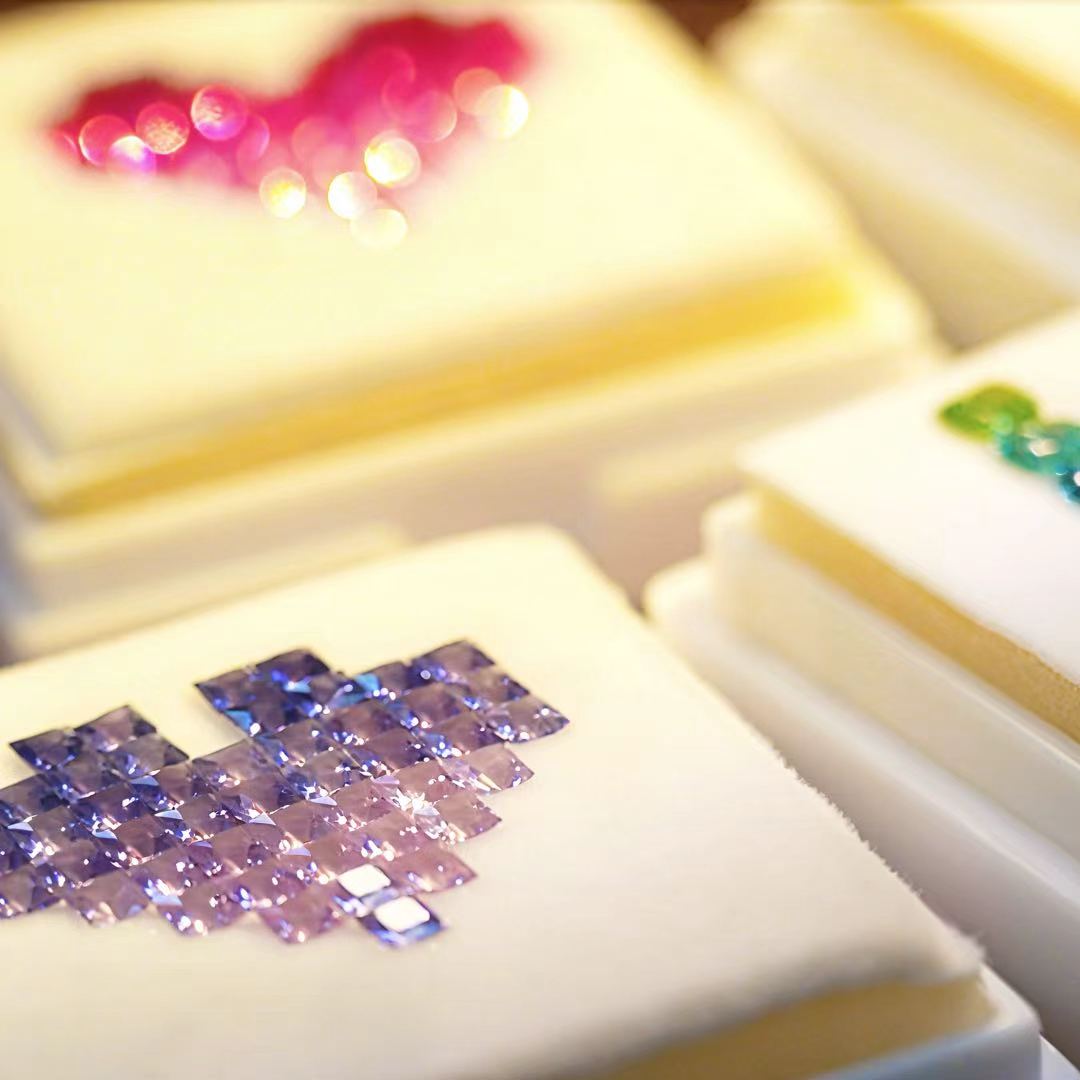
Diamonds are carbon, sapphires are corundum (aluminum oxide), and rubies are aluminum oxide with chromium traces. These compositions point to lab synthesis. Driven by demand and technology, labs now produce high-quality rough gems.
By simulating natural geological conditions, they grow gems in controlled environments—achieving in 10 weeks what nature took billions of years. Lab-grown gems cause little to no land disruption, greatly reducing ecological impact.

We guarantee that JEWELLERYISLAND’s factories fully comply with ethical standards, ensuring that every piece of jewelry we produce is certified, traceable, and eco‑friendly.
Meanwhile, our cultivation lab runs on 100% renewable energy, with carbon emissions roughly 90% lower than those from natural mining. Lab‑grown gems produced using hydropower can even achieve net‑zero carbon emissions.





In each delivery box, we place our care. We use moderate packaging, and the complimentary jewellery box inside is designed to protect your jewellery and can be reused long after unboxing. Whether you use it to store your treasured items or carry them with you, every box is reusable.
Moreover, Jewelleryisland partners with logistics providers committed to carbon neutrality, optimises delivery routes to reduce transport mileage, and supports forestry carbon sink projects to offset the unavoidable carbon emissions from transportation. Safe delivery is our bottom line; low-carbon arrival is our attitude.
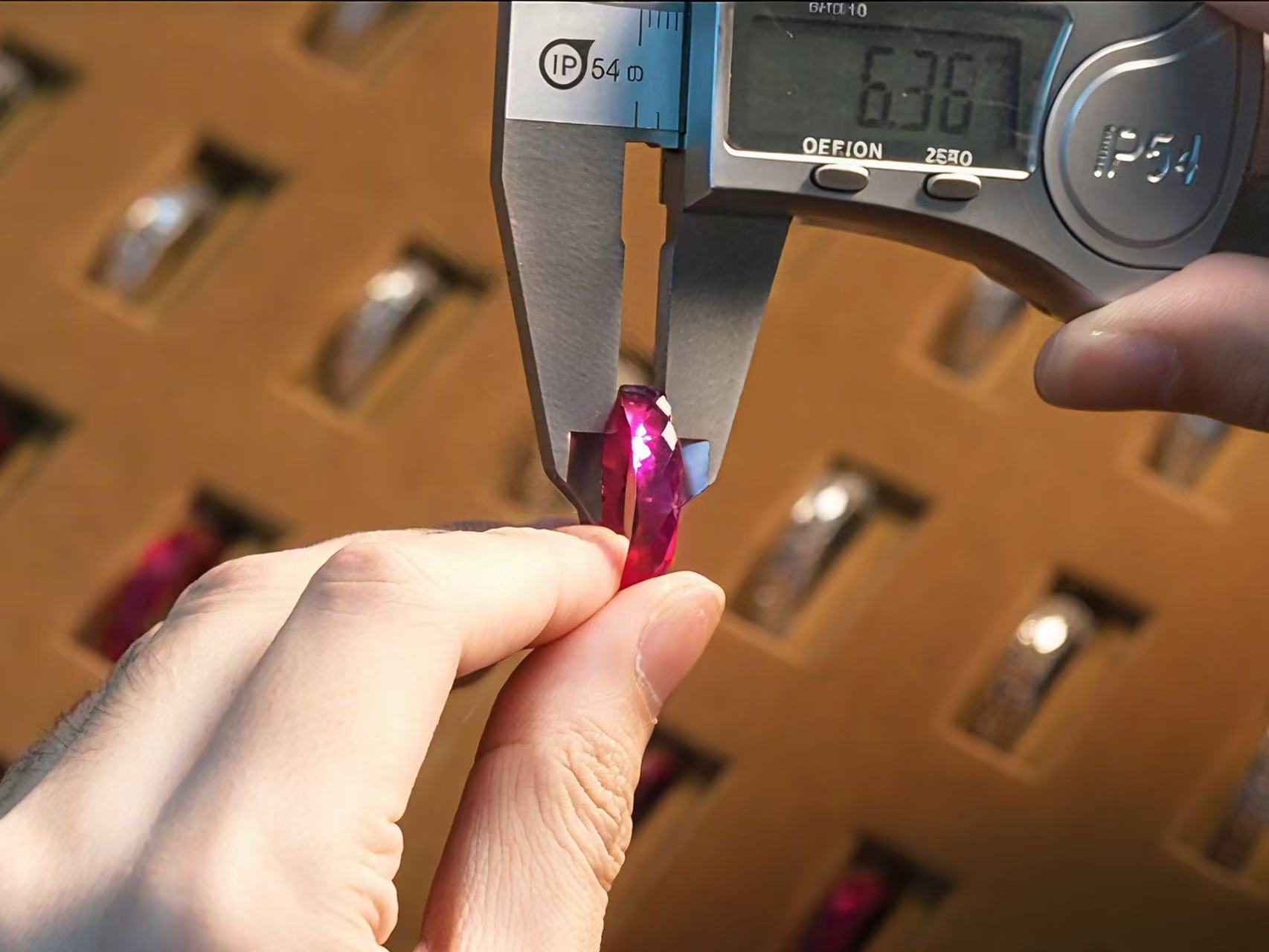
We combine artisan hand-cutting with precision casting, rejecting all shoddy workmanship. We choose handcrafting because it is more precise, more meticulous, and gentler on the environment. We produce in small batches and on demand, reducing the resource waste and quality risks inherent in industrial mass production. Every piece is made only for those who truly need it—no blind production, no reckless consumption.
loading